
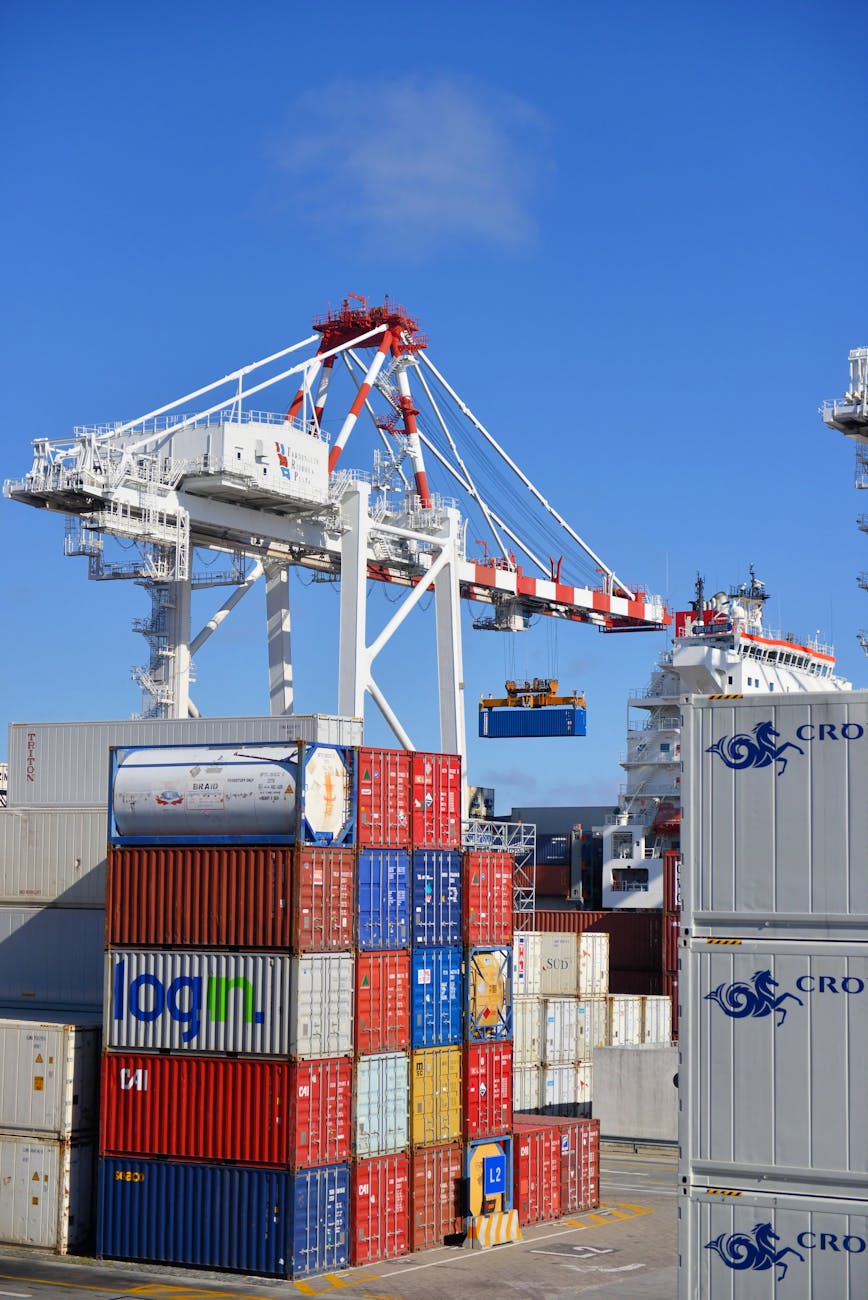
In the realm of international trade, businesses often seek flexible payment solutions that can adapt to their ongoing needs. Revolving Letters of Credit (LoCs) offer an ideal solution for companies that engage in repeated transactions with the same supplier. This article will explore what revolving letters of credit are, how they function, and provide practical examples to illustrate their advantages.
What is a Revolving Letter of Credit?
A Revolving Letter of Credit is a financial instrument issued by a bank that allows the buyer (importer) to make multiple payments to the seller (exporter) over a specified period. Unlike traditional letters of credit, which cover a single transaction, revolving letters of credit can be reused as payments are made. This flexibility makes them particularly advantageous for ongoing business relationships.
Key Features of Revolving Letters of Credit
- Multiple Draws: Importers can draw funds multiple times, up to a specified limit.
- Renewable Amounts: As funds are drawn and paid, the credit amount is replenished, allowing for continuous use.
- Predefined Terms: The terms of the revolving letter of credit are agreed upon in advance, including limits, duration, and conditions.
Types of Revolving Letters of Credit
Revolving letters of credit can be categorized into two main types:
1. Cumulative Revolving Letters of Credit
In cumulative revolving letters of credit, any unused portion of the credit amount can be carried over to the next period. For example, if an importer has a $500,000 cumulative revolving letter of credit and uses only $200,000 in the first month, they will have $300,000 available for the next month.
2. Non-Cumulative Revolving Letters of Credit
Non-cumulative revolving letters of credit reset after each cycle. If an importer has a $500,000 non-cumulative letter of credit and uses $200,000 in one month, the amount available for the next month will again be $500,000.
Business Scenarios for Revolving Letters of Credit
Scenario 1: Seasonal Goods Importer
Business Context: A company imports seasonal clothing from overseas manufacturers.
How it Works: The company sets up a revolving letter of credit for $300,000, valid for six months. During the season, the company places multiple orders, drawing funds as needed. If they spend $100,000 in the first month, they still have $200,000 available for subsequent orders. This allows them to respond quickly to changing inventory needs without renegotiating a new letter of credit for each transaction.
Scenario 2: Raw Materials Supplier
Business Context: A manufacturer regularly imports raw materials from the same supplier.
How it Works: The manufacturer establishes a cumulative revolving letter of credit for $1 million, valid for one year. Throughout the year, they draw down various amounts, like $250,000 in Q1 and $300,000 in Q2. If they only use $400,000 by mid-year, they can carry over the remaining $600,000 to the next period. This setup simplifies cash flow management and strengthens the supplier relationship, as payments are secured and timely.
Scenario 3: Ongoing Project Financing
Business Context: A construction firm engages a contractor for a long-term project.
How it Works: The construction firm sets a revolving letter of credit for $2 million, covering various phases of the project. As each phase is completed, the contractor draws payments against the letter of credit. If the contractor draws $1 million in the first phase, the remaining $1 million is still available for future phases. This arrangement allows for efficient cash flow management throughout the project’s duration.
Benefits of Using Revolving Letters of Credit
- Flexibility: Businesses can adapt their financing needs based on actual transactions without having to renegotiate terms.
- Time-Saving: Streamlined processes reduce paperwork and expedite transactions, allowing businesses to focus on operations.
- Cost-Effective: Since they cover multiple transactions, revolving letters of credit can reduce banking fees associated with setting up new letters for each order.
Conclusion
Revolving Letters of Credit are essential tools for businesses engaged in ongoing trade relationships. They offer the flexibility, security, and efficiency that importers and exporters need to thrive in a competitive market. By understanding how they work and the scenarios in which they are beneficial, businesses can make informed decisions about their financing options.
If you’re considering a revolving letter of credit for your business needs, consult your bank or financial advisor today to explore the best options tailored to your trading patterns!



 alind
alind 
Leave a comment