
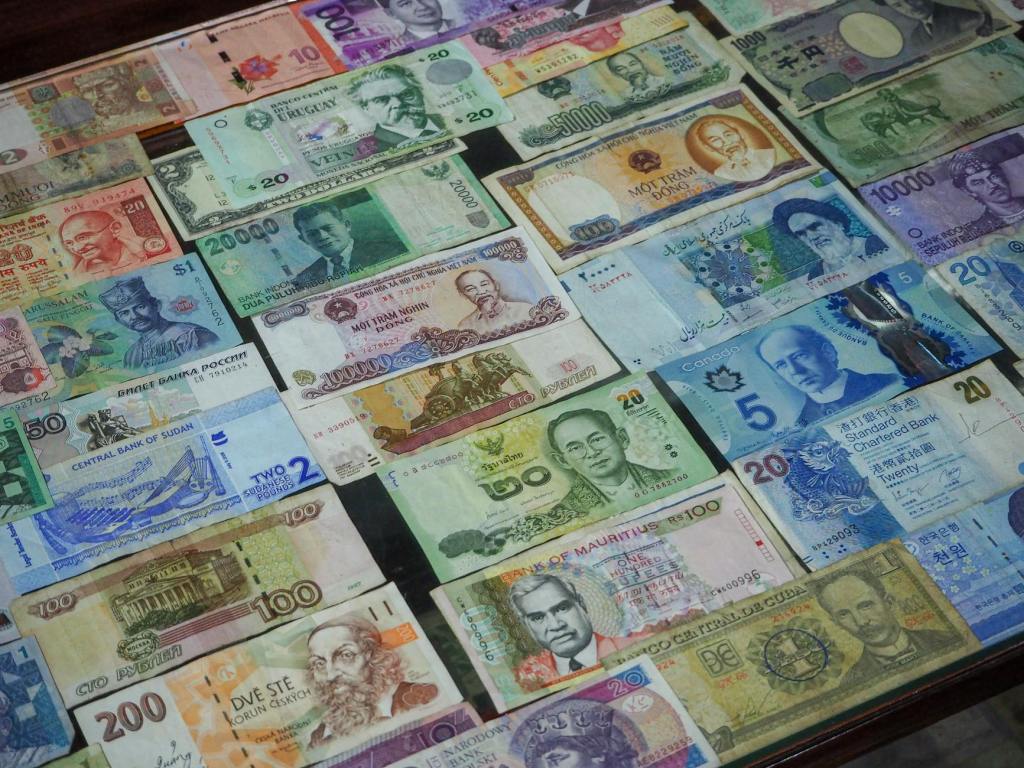
As we look toward the future, understanding the medium-term outlook of the global economy becomes increasingly vital. The world has undergone significant changes over the past few years, driven by the COVID-19 pandemic, technological innovations, and evolving geopolitical landscapes. Recognizing emerging trends can help businesses, investors, and policymakers navigate potential challenges and seize new opportunities. In this article, we will explore key trends shaping the global economy over the next 1-3 years, including post-pandemic recovery, technological advancements, climate change and economic policies, and geopolitical realignments.
Key Trends Shaping the 1-3 Year Outlook
Post-Pandemic Recovery
The global economy is in the midst of a post-pandemic recovery, but the speed and nature of this rebound vary significantly between regions. In developed economies, such as the United States and parts of Europe, recovery has generally been robust. Governments have injected significant fiscal stimulus, leading to increased consumer spending and a rebound in sectors like travel and hospitality. However, challenges remain, including labor shortages and supply chain disruptions that continue to affect production.
Conversely, developing economies are facing a more uneven recovery. While some countries are beginning to regain lost ground, others struggle with ongoing health crises, limited vaccine access, and higher debt levels. According to the World Bank, growth in emerging markets is projected to lag behind that of advanced economies, creating potential economic disparities that could have long-term implications.
This variability underscores the importance of tailored economic policies that address the specific needs of each region. Policymakers must focus on creating inclusive growth strategies to ensure that all economies can thrive in the post-pandemic landscape.
Technological Advancements
The pandemic has accelerated digital transformation across various sectors, fundamentally changing how businesses operate and interact with consumers. Companies that embraced technology during the pandemic have seen significant gains in productivity and efficiency. This trend is expected to continue, with organizations increasingly investing in automation, artificial intelligence, and data analytics to streamline operations.
One area of significant growth is fintech, which has revolutionized financial services by providing faster, more accessible solutions. Digital payment platforms, online lending, and blockchain technology are reshaping how businesses and consumers manage their finances. According to a recent report from the Brookings Institution, the fintech sector is expected to grow exponentially over the next few years, driven by increased demand for digital solutions and changing consumer preferences.
As these technologies evolve, they will create new opportunities and challenges for businesses. Companies must remain agile and adaptable, ready to leverage technological advancements while also addressing the potential risks associated with cybersecurity and data privacy.
Climate Change and Economic Policies
Climate change is no longer a distant concern; it has become a pressing issue that influences economic policies worldwide. Governments and businesses are increasingly recognizing the importance of sustainable practices, leading to a shift in investment priorities. The growing emphasis on green investments presents opportunities for innovation and economic growth in sectors such as renewable energy, electric vehicles, and sustainable agriculture.
Economic policies aimed at combating climate change are also gaining traction. Governments are implementing stricter regulations on carbon emissions and providing incentives for companies to adopt environmentally friendly practices. For instance, the European Union has committed to becoming climate-neutral by 2050, a goal that will require significant investment and transformation across various industries.
The economic impact of these climate policies will be profound. While there may be short-term costs associated with transitioning to a greener economy, the long-term benefits—such as reduced energy costs, improved public health, and enhanced resilience to climate-related risks—are expected to outweigh the initial investments. Businesses that proactively adopt sustainable practices will be better positioned to thrive in this evolving economic landscape.
Geopolitical Realignments
The global geopolitical landscape is shifting, with implications for trade agreements and international relations. The U.S.-China relationship, in particular, is a focal point of concern for many economies. As both countries navigate their complex ties, the impact on global supply chains and trade policies will be significant. Tariffs, sanctions, and changes in trade agreements could disrupt established markets and create uncertainty for businesses.
Emerging markets are also playing an increasingly vital role in the global economy. Countries in Asia, Africa, and Latin America are experiencing rapid growth and are becoming important players in international trade. This shift presents opportunities for diversification and collaboration, as businesses seek to expand their operations into new markets.
As geopolitical dynamics continue to evolve, companies must stay informed and adaptable. Understanding regional differences and potential risks associated with geopolitical tensions will be essential for businesses aiming to succeed in the global marketplace.
Conclusion
The next 1-3 years promise to be transformative for the global economy. Key trends, including post-pandemic recovery, technological advancements, climate change policies, and geopolitical realignments, will shape the landscape in profound ways.
For businesses and policymakers, adaptability will be crucial. By recognizing emerging trends and proactively addressing challenges, stakeholders can position themselves for success in an increasingly complex and interconnected world. The ability to navigate uncertainty, embrace innovation, and commit to sustainable practices will define the next chapter of the global economy.
References
- World Bank. (2023). Global Economic Prospects.
- OECD. (2023). Economic Outlook: Growth Projections and Trends.
- Brookings Institution. (2023). The Future of Fintech: Trends and Predictions.



 alind
alind 
Leave a comment