
Introduction
As globalization continues to reshape the landscape of international commerce, trade finance technology is rapidly evolving to meet the needs of businesses engaged in cross-border transactions. The integration of innovative technologies is transforming traditional trade finance practices, enhancing efficiency, transparency, and security. In this article, we will explore the emerging trends in trade finance technology, highlighting their potential to revolutionize the industry and drive economic growth.
The Rise of Digital Platforms
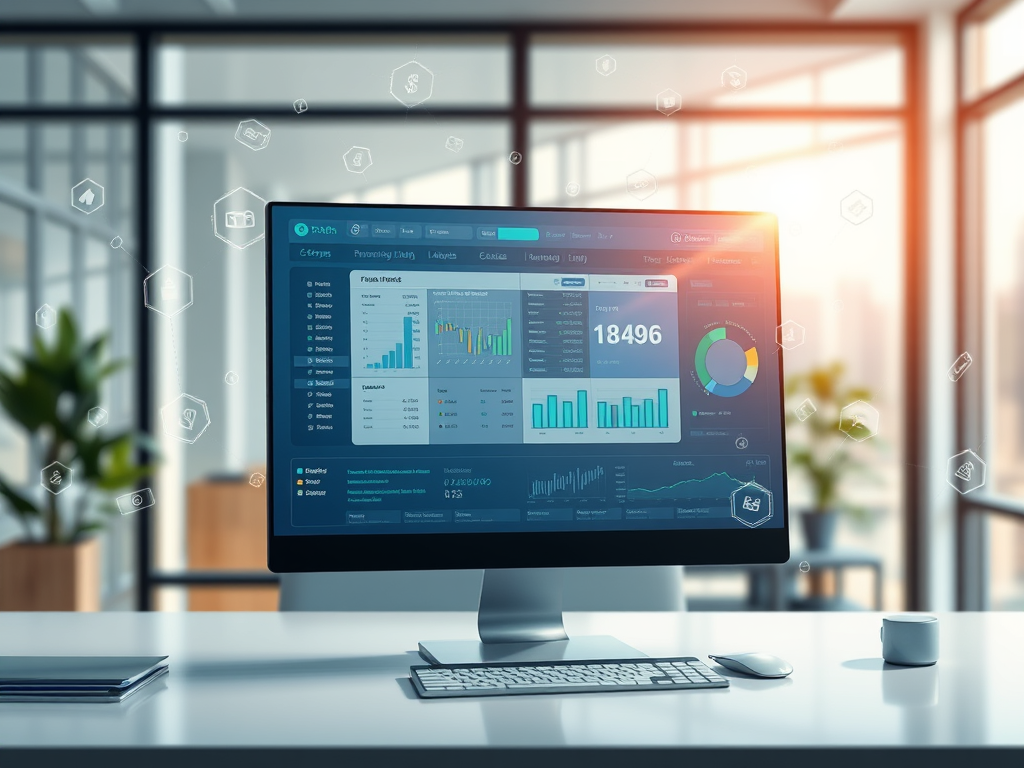
One of the most significant trends in trade finance technology is the emergence of digital platforms. These platforms streamline the trade finance process by connecting buyers, sellers, banks, and other stakeholders in a centralized digital environment.
Benefits of Digital Platforms
- Efficiency: Digital platforms reduce the time and costs associated with traditional paper-based processes. Automated workflows and real-time data sharing facilitate quicker decision-making and transaction processing.
- Transparency: By providing a single source of truth, digital platforms enhance visibility into the status of transactions. This transparency helps reduce disputes and fosters trust among parties.
- Accessibility: Small and medium-sized enterprises (SMEs) often face challenges in accessing trade finance. Digital platforms democratize access by connecting these businesses with a wider pool of financing options.
Examples of Digital Platforms
Several companies are leading the way in developing digital trade finance platforms. For instance, TradeIX offers a blockchain-based platform that facilitates open trade finance through collaboration among banks and businesses. Similarly, Marco Polo is leveraging distributed ledger technology (DLT) to enhance trade finance operations by enabling real-time data sharing between parties.
Blockchain Technology in Trade Finance
Blockchain technology is another transformative force in trade finance. By providing a secure and immutable ledger for transactions, blockchain enhances the integrity of trade finance processes.
Key Advantages of Blockchain
- Enhanced Security: Blockchain’s decentralized nature makes it resistant to fraud and tampering. This increased security is crucial for trade finance, where the risk of fraud can be significant.
- Streamlined Processes: Blockchain can automate various processes through smart contracts, reducing the need for intermediaries. This streamlining leads to faster transactions and lower costs.
- Improved Traceability: With blockchain, every transaction is recorded in a transparent manner. This traceability allows all parties to track the movement of goods and payments in real time, reducing disputes.
Real-World Applications
Companies like IBM and Maersk have joined forces to create TradeLens, a blockchain platform designed to enhance the efficiency of global trade by providing real-time access to shipping data. This collaboration aims to reduce delays and improve supply chain visibility.
Artificial Intelligence and Machine Learning
Artificial Intelligence (AI) and Machine Learning (ML) are increasingly being integrated into trade finance technology to enhance decision-making and risk assessment.
How AI and ML Enhance Trade Finance
- Risk Assessment: AI algorithms can analyze vast amounts of data to identify potential risks associated with trade transactions. By leveraging historical data, AI can help assess the creditworthiness of trading partners more accurately.
- Fraud Detection: Machine learning models can detect unusual patterns in transaction data, flagging potential fraudulent activities in real-time. This capability is vital for maintaining the integrity of trade finance operations.
- Process Automation: AI can automate routine tasks such as document verification and compliance checks, allowing trade finance professionals to focus on more strategic activities.
Notable Implementations
Several financial institutions are harnessing AI and ML to enhance their trade finance offerings. For instance, HSBC has developed an AI-powered trade finance platform that analyzes data from multiple sources to improve risk assessment and transaction monitoring.
The Internet of Things (IoT) in Trade Finance
The Internet of Things (IoT) is making its mark on trade finance by providing real-time data on goods and shipments. IoT devices, such as sensors and RFID tags, enable businesses to monitor their supply chains more effectively.
Benefits of IoT in Trade Finance
- Real-Time Monitoring: IoT devices provide real-time visibility into the location and condition of goods during transit. This information can help companies make informed decisions and respond promptly to any disruptions.
- Improved Inventory Management: By tracking inventory levels and conditions, businesses can optimize their supply chains and reduce carrying costs. This efficiency translates into better cash flow management.
- Enhanced Compliance: IoT data can facilitate compliance with regulatory requirements by providing evidence of product conditions and transportation practices.
Case Studies
Companies like DHL are leveraging IoT technology to improve their logistics operations. By using sensors to monitor temperature-sensitive goods, DHL ensures that products are delivered in optimal conditions, reducing losses and enhancing customer satisfaction.
Regulatory Technology (RegTech)
As trade finance becomes increasingly digital, compliance with regulations remains a top priority. Regulatory Technology (RegTech) solutions are emerging to streamline compliance processes and reduce the burden on businesses.
How RegTech Enhances Trade Finance
- Automated Compliance Checks: RegTech solutions can automate the process of verifying compliance with regulations, including anti-money laundering (AML) and know your customer (KYC) requirements.
- Data Analytics: RegTech platforms leverage data analytics to monitor transactions for suspicious activities, enabling quicker responses to potential compliance issues.
- Cost Efficiency: By automating compliance processes, businesses can reduce operational costs and allocate resources more effectively.
Examples of RegTech Solutions
Companies like ComplyAdvantage provide AI-driven solutions to help businesses manage compliance risks in real time. Their platform offers insights into potential risks associated with transactions, ensuring adherence to regulatory requirements.
Conclusion
The landscape of trade finance is undergoing a significant transformation driven by technology. Digital platforms, blockchain, AI, IoT, and RegTech are reshaping the way businesses engage in international trade, enhancing efficiency, security, and compliance. As these technologies continue to evolve, companies that embrace these innovations will be better positioned to navigate the complexities of global commerce.
For businesses involved in trade finance, staying informed about these emerging trends is essential. By leveraging technology, companies can mitigate risks, enhance operational efficiency, and gain a competitive edge in the global marketplace.
References
- World Trade Organization. (2021). Trade Finance and the Role of Technology.
- International Chamber of Commerce. (2022). Digital Trade: Transforming the Global Economy.
- HSBC. (2023). Harnessing AI for Trade Finance Solutions.
- IBM & Maersk. (2023). TradeLens: A Blockchain Solution for Global Trade.
- ComplyAdvantage. (2023). RegTech: The Future of Compliance in Finance.


 alind
alind 
Leave a comment