
Introduction
In an increasingly digital world, the landscape of payment methods is evolving rapidly. The rise of contactless and mobile payment solutions is reshaping how consumers and businesses transact, providing greater convenience, security, and speed. As technology continues to advance, these payment methods are not just trends but are becoming fundamental components of the financial ecosystem. This article explores the future of payments, focusing on contactless and mobile solutions, their benefits, challenges, and the innovations driving their growth.
Understanding Contactless Payments
What Are Contactless Payments?
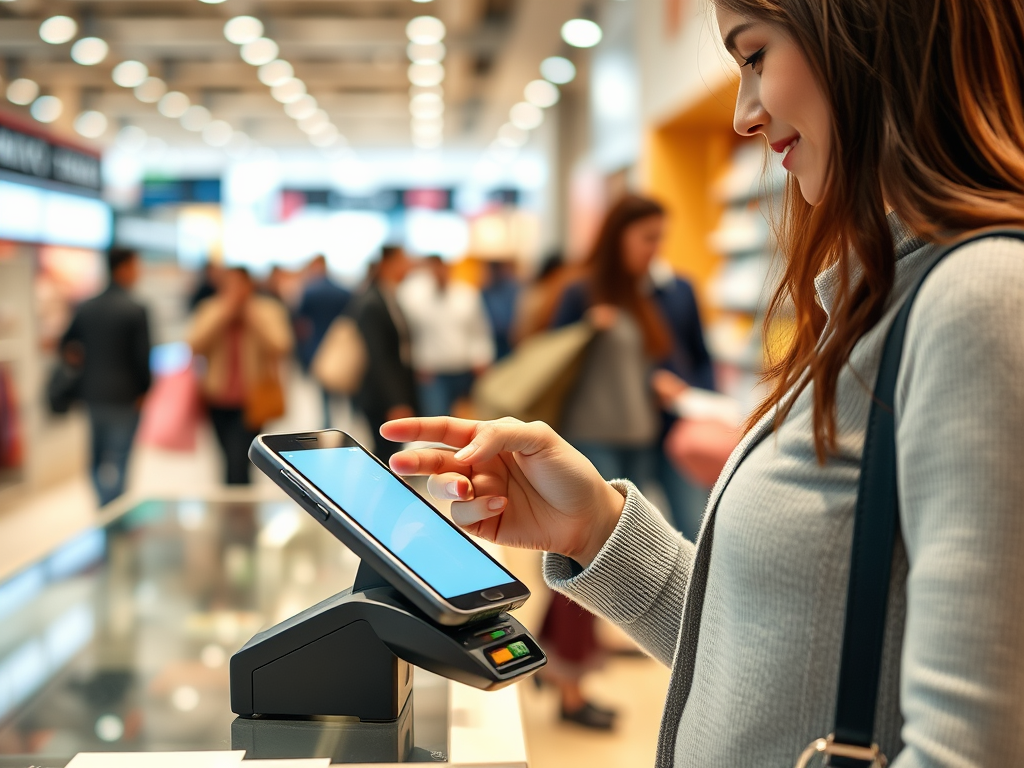
Contactless payments allow consumers to make transactions without physically inserting their cards or cash. Instead, users simply tap their payment cards, smartphones, or wearables near a compatible terminal equipped with Near Field Communication (NFC) technology. This method is not only fast but also minimizes physical contact, which has become increasingly relevant in light of the COVID-19 pandemic.
Key Features of Contactless Payments
- Speed: Transactions can be completed in seconds, enhancing the customer experience and reducing queues in retail environments.
- Convenience: Users can pay with a simple tap, making it easy to make purchases on the go.
- Security: Contactless payments employ encryption and tokenization, which protect sensitive financial information during transactions.
The Rise of Mobile Payments
What Are Mobile Payments?
Mobile payments involve using smartphones or tablets to conduct financial transactions, either in-store or online. This can include a range of methods, such as mobile wallets (e.g., Apple Pay, Google Pay), peer-to-peer (P2P) payment apps (e.g., Venmo, Cash App), and QR code payments.
Benefits of Mobile Payments
- Accessibility: Mobile payments are available to anyone with a smartphone, broadening access to financial services.
- Integration with Other Services: Mobile payment platforms often integrate with loyalty programs, promotions, and digital receipts, enhancing the overall consumer experience.
- Global Reach: Mobile payments can facilitate international transactions without the need for currency conversion, making it easier for businesses to operate globally.
Driving Factors Behind the Growth of Contactless and Mobile Payments
1. Consumer Demand for Convenience
Today’s consumers expect fast, easy, and efficient payment options. The convenience of contactless and mobile payments aligns perfectly with these expectations, allowing consumers to complete transactions with minimal effort.
2. Technological Advancements
Innovations in NFC technology, blockchain, and mobile app development have significantly improved the functionality and security of contactless and mobile payments. Enhanced security features, such as biometric authentication (fingerprint or facial recognition), further instill consumer confidence in these payment methods.
3. Pandemic-Driven Change
The COVID-19 pandemic accelerated the adoption of contactless and mobile payments as consumers sought ways to minimize physical contact. Businesses also adapted to this shift by implementing contactless payment solutions to ensure safety and convenience for their customers.
4. Retailer Adoption
Retailers are increasingly adopting contactless payment terminals and mobile payment systems to meet customer demand and improve operational efficiency. This trend is evident across various sectors, including retail, hospitality, and transportation.
Challenges Facing Contactless and Mobile Payments
1. Security Concerns
Despite advancements in security, concerns about data breaches and fraud remain prevalent. As contactless and mobile payments grow, so do the tactics used by cybercriminals. Payment providers must continuously enhance their security measures to protect users.
2. Infrastructure Limitations
While many urban areas have embraced contactless and mobile payments, rural regions may lack the necessary infrastructure. Limited internet access and outdated payment terminals can hinder the widespread adoption of these technologies.
3. Regulatory Challenges
As payment technologies evolve, so too does the regulatory landscape. Payment providers must navigate complex regulations across different countries and regions, which can impact the speed and ease of expansion.
The Future of Payments: Trends to Watch
1. Increased Use of Biometric Authentication
The future of mobile payments is likely to see an even greater emphasis on biometric authentication methods. Fingerprint scans, facial recognition, and voice recognition will enhance security and streamline the payment process.
2. Integration of Artificial Intelligence
AI technology will play a crucial role in improving fraud detection and prevention. By analyzing transaction patterns, AI can identify unusual behaviors and alert users or block fraudulent transactions in real time.
3. Growth of Cryptocurrencies
As cryptocurrencies gain mainstream acceptance, mobile payment platforms may incorporate crypto transactions, allowing users to make purchases with digital currencies. This shift could transform payment processing, particularly in cross-border transactions.
4. Expansion of Internet of Things (IoT) Payments
The Internet of Things is set to revolutionize payment methods. Connected devices, from smart appliances to vehicles, could enable automated transactions, providing a seamless payment experience. For example, imagine a car that automatically pays for fuel when filling up.
Conclusion
The future of payments is undeniably leaning toward contactless and mobile solutions, driven by consumer demand for convenience, advancements in technology, and the changing landscape of global commerce. As these payment methods become more prevalent, stakeholders must address the associated challenges while embracing the opportunities they present. By staying informed and adapting to these changes, businesses and consumers alike can navigate the evolving world of payments, ensuring a more efficient and secure financial future.
References
- Statista. (2023). Contactless Payment Statistics. Retrieved from Statista
- McKinsey & Company. (2022). The Future of Payments: Insights and Trends. Retrieved from McKinsey
- Deloitte. (2022). The Rise of Contactless Payments. Retrieved from Deloitte
- World Economic Forum. (2023). How the COVID-19 Pandemic Changed Payment Methods. Retrieved from WEF
- Business Insider. (2023). Mobile Payment Trends to Watch. Retrieved from Business Insider


 alind
alind 
Leave a comment